
Rat Traps
Rat traps in the UK — snap traps, live catch traps, and electronic kill traps explained, with legal requirements, placement guidance, and when to use each.

Blog Category
Practical UK rodent guides covering rats, mice and grey squirrels — infestation signs, prevention methods, health risks and professional control options.
57 articles


Apex Pest Control Ltd publishes these UK rodent control guides to help homeowners and businesses identify, understand and manage rat, mouse and grey squirrel infestations. Tony Johnson — Apex Pest Control's BPCA-registered director and lead technician — writes each guide from 40 years of professional pest management experience. Whether you have found droppings in the kitchen, gnaw marks on cables or heard scratching in the loft at night, use these guides to confirm the species, assess the problem and choose the right next step.
Rat traps in the UK — snap traps, live catch traps, and electronic kill traps explained, with legal requirements, placement guidance, and when to use each.
Rat repellents in the UK — what the evidence says about ultrasonic devices, natural deterrents, and chemical repellents, and why proofing outperforms them all.
Rat prevention methods for UK homes and businesses — proofing, food source management, habitat reduction, and drainage checks to stop rats from entering.
Rat poison in the UK — how anticoagulant rodenticides work, first versus second-generation products, CRRU regulations, and safe use and storage guidance.
Signs of a rat infestation in UK properties — droppings, gnaw marks, burrows, grease smear marks, sounds, and footprints that confirm brown rat activity.
Common rat-borne diseases in the UK — Weil's disease, Seoul virus, rat bite fever, and salmonellosis: risks, symptoms, and when professional control is needed.
Effective rat control strategies for UK properties — combining exclusion, habitat reduction, targeted baiting, and ongoing monitoring for lasting results.
Rat bait stations in the UK — types, placement rules, bait selection, CRRU regulations for anticoagulant use, and why professional placement outperforms DIY.
Rat control strategies used by pest control services — monitoring, baiting, trapping, and proofing, and how integrated pest management delivers lasting results.
Professional rat removal in the UK — the survey, treatment, and proofing stages explained, and what separates an effective programme from one that fails.
Signs of rat infestation in Leeds — droppings, gnaw marks, grease trails, burrows, sounds, and how to tell rats from mice before calling a pest controller.
How pest control gets rid of rats in Leeds — the professional survey, rodenticide programme, tamper-resistant baiting, proofing, and what each visit involves.
Looking for rat pest control near you in South Yorkshire? Apex Pest Control covers Sheffield, Leeds, Barnsley and Rotherham. BPCA-certified, rapid response.
Professional rat pest control in South Yorkshire. Learn how technicians survey, treat, and proof against rats. BPCA-certified service from Apex Pest Control.
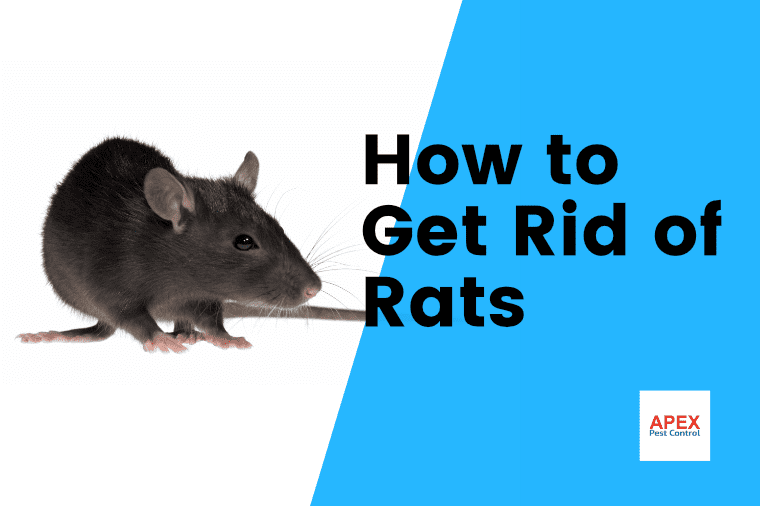
How to get rid of rats in a UK home — signs of infestation, what DIY methods work, when to call a professional rat catcher, and long-term prevention advice.
How a professional rat exterminator works in the UK — spotting infestation signs, IPM treatment steps, drain surveys in South Yorkshire, and when to call.
What professional rat pest control involves — from inspection and treatment to proofing and CRRU-compliant rodenticide protocols for homes and businesses.
Why brown rats cause structural damage to UK homes, what they gnaw through, the health risks they carry, and when professional rat treatment is the right call.
Rodenticides and mouse poison in the UK — anticoagulant options for mouse control, how mice feed differently to rats, CRRU regulations, and safe use guidance.
Mouse repellents in the UK — what the evidence says about ultrasonic devices, peppermint, and other deterrents, and what actually prevents mice long-term.
Best mouse bait in the UK — what to use in snap traps and live traps, how mice feed differently to rats, and why bait placement matters more than bait type.
How to use live mouse traps — setting, baiting, placement, and legal requirements for checking and releasing captured mice under the Animal Welfare Act 2006.
Humane mouse traps in the UK — live catch designs, how they work, legal checking obligations, and when they are appropriate versus snap or electronic traps.
Home remedies to get rid of mice — what the evidence says about peppermint oil, cayenne pepper, and other DIY methods, and what actually works long-term.
Glue traps for mice in the UK — the law banning their public use in England, Wales, and Scotland, animal welfare concerns, and what alternatives are available.
Electronic mouse traps in the UK — how they work, the different designs available, where they are used, and how they compare to snap traps and rodenticide bait.
Mice extermination in the UK — what professional rodenticide bait station treatment involves, why traps alone fail, and how long a full programme takes.
Mouse pest control in the UK — how to identify a mouse infestation, why professional treatment is necessary, what it involves and how to prevent recurrence.
Professional pest control for mice in the UK — what a full programme involves, from survey and rodenticide bait stations to proofing and programme discharge.
The best way to get rid of mice in the UK — why proofing must come first, how professional rodenticide programmes work, and why DIY traps alone will not work.
Grey squirrel pest control in the UK — the law on capture and dispatch, approved control methods, and professional management of this Schedule 9 species.
How to get rid of grey squirrels legally in the UK — cage trapping, spring traps, shooting, why release is illegal, and when professional control is necessary.
How to get rid of squirrels in the attic legally — entry points, cage trapping, humane dispatch rules, structural proofing and bat survey requirements.
Grey squirrel pest control in the UK — protecting property from loft and structural damage, the legal framework, professional trapping and proofing explained.
Grey squirrel control in the UK — the legal position, why captured squirrels cannot be released, what professional control involves and the risks of delay.
Wildlife pest control in the UK — which species can legally be managed, which are protected, what methods are lawful, and when a professional is required.
Squirrel traps in the UK — cage traps, the DOC 250 and Kania 2000 spring traps, tunnel housing requirements, and trap methods that are not permitted in the UK.
UK squirrel species — grey squirrel versus red squirrel: size, colouring, legal status, and why correct identification matters before any control work begins.
Professional squirrel removal in the UK — surveys, daily trap checks, dispatch of all caught animals, clearance confirmation, and proofing to prevent re-entry.
Squirrel nest removal in the UK — safely removing dreys from a loft, PPE needed, flea and leptospirosis risks, and when to call an electrician before clearing.
Signs of grey squirrels in your loft — sounds, droppings, gnaw marks, nesting material, and roofline entry evidence to tell squirrels from rats or mice.
Grey squirrel habitats in the UK — where they live, what makes properties attractive, how urban populations compare to woodland ones, and habitat management.
Squirrel exclusion devices in the UK — steel mesh, one-way valves, chimney caps, tree trunk collars, and feeder baffles for preventing grey squirrel access.
Grey squirrel health risks in the UK — ticks, Lyme disease, squirrel fleas, leptospirosis, and safe working guidance for loft clearance after an infestation.
Grey squirrel deterrents in the UK — which physical barriers, repellent sprays, and ultrasonic devices actually work, and which produce no lasting results.
Squirrel damage repair in the UK — fixing loft entry points, replacing chewed wiring and insulation, and proofing roofs against grey squirrel re-entry.
Grey squirrel behaviour in the UK — activity patterns, drey building, scatter-hoarding, bark stripping, and breeding cycles that affect pest control timing.
Grey squirrel bait in the UK — what attracts squirrels into traps, how to pre-bait effectively, and why seasonal food availability affects trapping results.
UK grey squirrel control regulations — Schedule 9 WCA 1981, the IAS Order 2019, approved traps, and the legal duty to dispatch caught squirrels on site.
Grey squirrel environmental impact in the UK — red squirrel displacement, squirrelpox, woodland bark damage, and the ecological case for population management.
Ultrasonic pest repellers in the UK — what the evidence shows, why rodents and insects habituate rapidly, and why they are not a substitute for treatment.
Snap traps for rats and mice in the UK — how they work, correct positioning on rodent runs, how to set and bait them, and legal checking requirements.
Rodent traps in the UK — snap traps, live catch traps, body traps, and electronic kill traps for rats and mice, with placement guidance and legal requirements.
Pest control equipment in the UK — professional traps, bait stations, PPE, and monitoring tools, and what sets them apart from consumer-grade products.
Rodenticides in the UK — anticoagulant types, CRRU regulations, Yorkshire resistance patterns, and the differences between professional and consumer products.
Rodent exterminators in the UK — what qualifications they hold, what a professional treatment covers, and when to call a specialist over DIY rodent control.
How to get rid of rabbits legally in the UK. Pests Act 1954 obligations, approved methods, rabbit-proof fencing specs and when to call a professional.
Rodent infestations in UK properties typically involve one of three species: the brown rat (Rattus norvegicus), the house mouse (Mus musculus) or the grey squirrel (Sciurus carolinensis). Each behaves differently, occupies different parts of a building, and requires a distinct approach to control.
Brown rats are most commonly found at ground level — in drains, wall cavities, beneath garden decking and under floor voids. They produce distinctive droppings, leave grease smears along skirting boards and can gnaw through plastic water pipes, electrical cables and concrete rendering. Untreated infestations carry risks of leptospirosis (Weil's disease), Seoul orthohantavirus and salmonella.
House mice are smaller but equally destructive. They nest in loft insulation, wall voids and kitchen cavities, contaminate food stores with droppings and urine, and breed rapidly — a single pair can produce up to 80 offspring per year.
Grey squirrels most commonly enter through damaged roof tiles or fascia boards. Once inside a loft they gnaw roof timbers and strip electrical cable insulation, creating a significant fire risk. UK law prohibits releasing a live-caught grey squirrel.
Start with the signs of a rat infestation or squirrel infestation signs guide to confirm which pest you have. For mice, the best way to get rid of mice covers identification, treatment and prevention in full. For professional rodent control, Apex Pest Control Ltd provides fast, guaranteed rat, mouse and grey squirrel treatment across Sheffield, Leeds, Barnsley and Rotherham — carried out by BPCA-registered technicians, 7 days a week.
What are the signs of a rodent infestation in my home?
Common signs include droppings along walls or inside food cupboards, gnaw marks on cables, wood or packaging, grease smears on skirting boards and scratching or scurrying sounds at night. Grey squirrels in loft spaces leave chewed insulation and damaged roof timbers. Use the identification guides above to confirm the species before deciding on a treatment approach.
Which rodent guide should I read first?
Start with the guide that matches what you have seen. For rats, begin with signs of a rat infestation. For mice, the best way to get rid of mice is the most practical starting point. For squirrels, read the grey squirrel pest control guide. If you are unsure which rodent is present, both the rat and squirrel identification guides include species comparison sections.
When should I call a professional pest controller for rodents?
Call Apex Pest Control Ltd if the infestation is inside your property, DIY traps or bait have produced no results after one week, or you cannot locate and seal the entry points. Apex Pest Control Ltd provides fast, professional rodent control across Sheffield, Leeds, Barnsley and Rotherham — BPCA-registered technicians, available 7 days a week. Grey squirrels require a licensed pest controller under the Wildlife and Countryside Act 1981 — Apex Pest Control Ltd carries out lawful grey squirrel removal in full compliance with UK wildlife law.
Are these rodent guides specific to UK pest control?
Yes. Apex Pest Control Ltd publishes these guides to reflect UK pest species, UK-registered control products and current BPCA technical guidance. All rodenticide recommendations follow CRRU stewardship rules. The squirrel section covers UK wildlife law in detail, including the legal position on grey squirrel trapping, dispatch and the restrictions on release.
South Yorkshire's certified, family-run pest control team. Fast response, fully insured, 7 days a week.
Fully insured · BPCA certified · Mon–Fri 08:00–19:00, Sat–Sun 08:00–13:00